




Energy Storage Lithium Batteries vs Electric Vehicle Batteries
What Are Lithium Batteries and Why People Get Confused
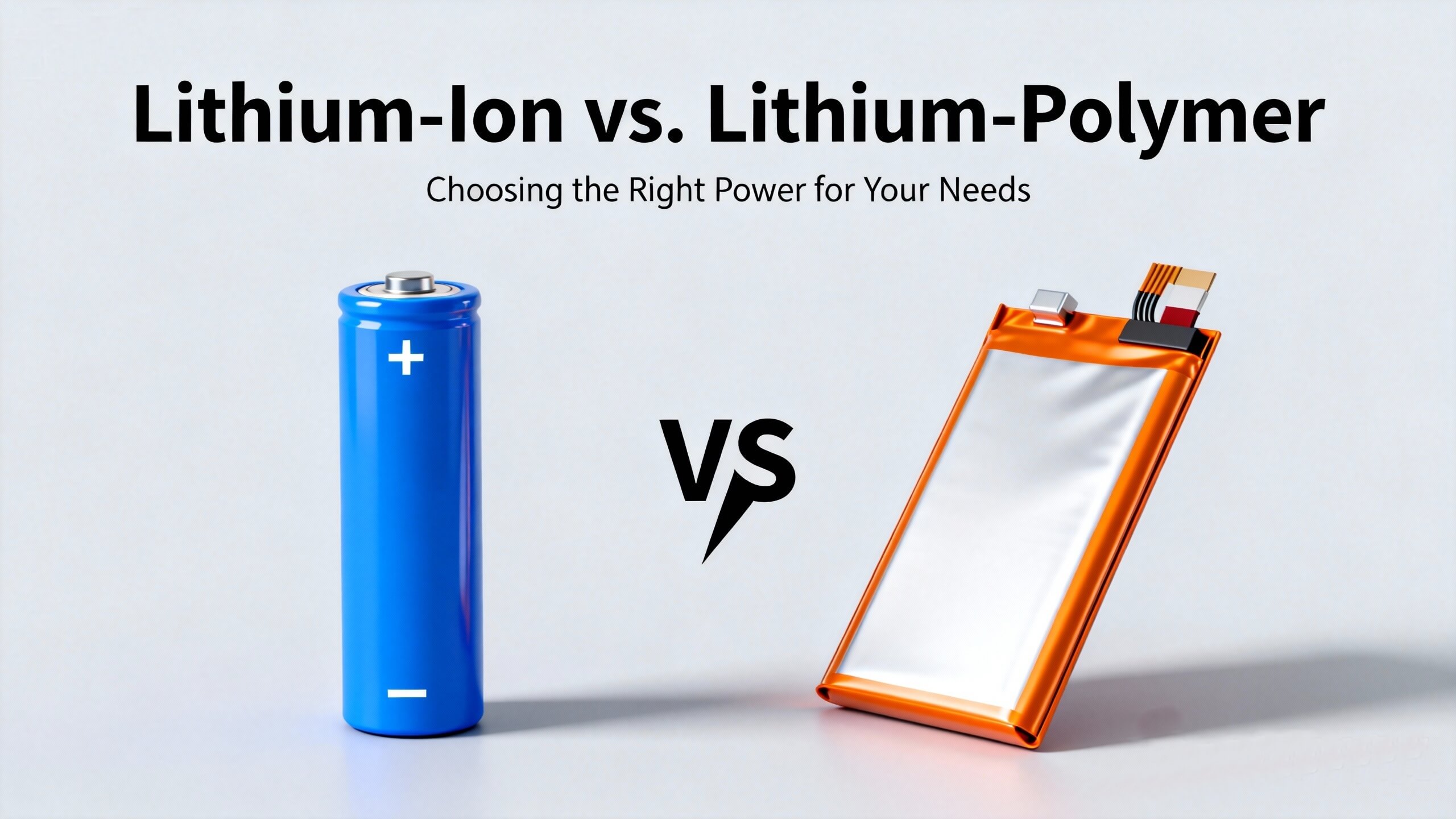
Lithium-ion batteries are everywhere today—from electric cars to home solar systems. Because both energy storage batteries and electric vehicle (EV) batteries use lithium-ion technology, many people assume they are interchangeable. In reality, they are designed for very different purposes.
Whether you search for lithium ion battery for electric vehicles or lithium ion batteries for energy storage, you’ll see similar chemistry terms like LFP or NMC. But chemistry is only part of the story. The real difference lies in how these batteries are built, used, and optimized.
What Is an Electric Vehicle Lithium Battery
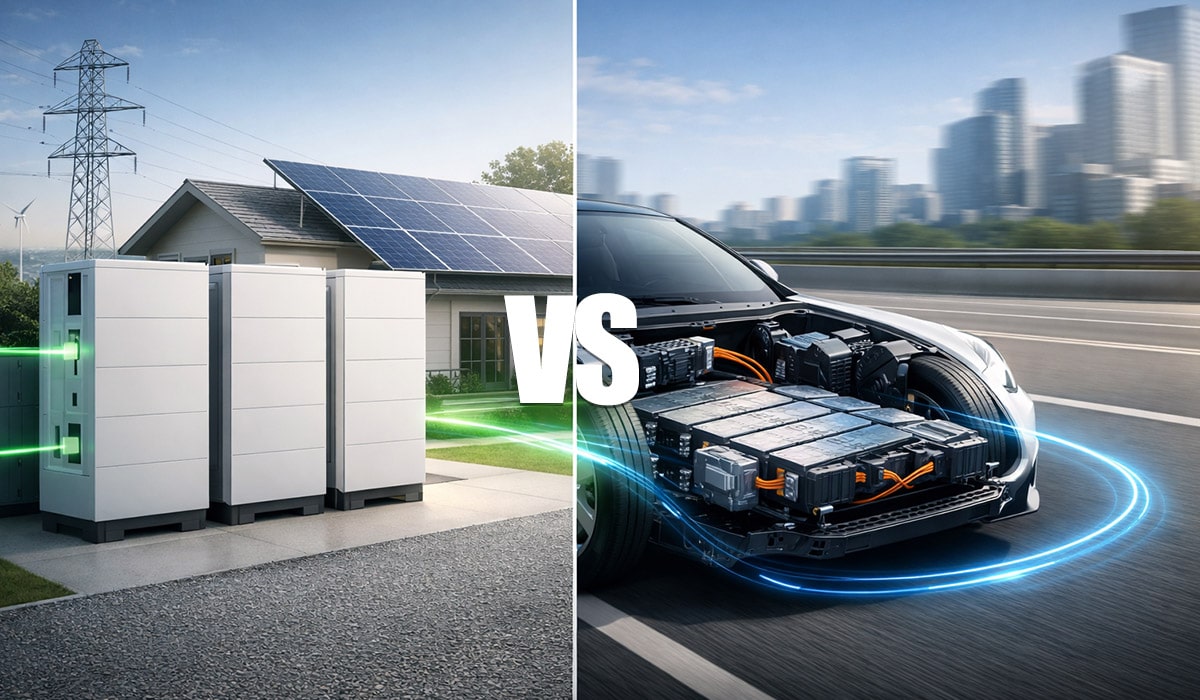
An electric vehicle lithium battery is designed to power movement. EV batteries deliver high energy and strong power output in a compact space, making them ideal for cars, buses, and trucks.
These batteries must handle:
Rapid acceleration and braking
High charge and discharge rates
Frequent cycling under vibration and heat
That’s why EV battery packs focus heavily on energy density, lightweight design, and advanced battery management systems (BMS). When people ask “do electric cars use lithium batteries?”—the answer is yes, almost all modern electric vehicles rely on lithium-ion battery technology.
What Is an Energy Storage Lithium Battery
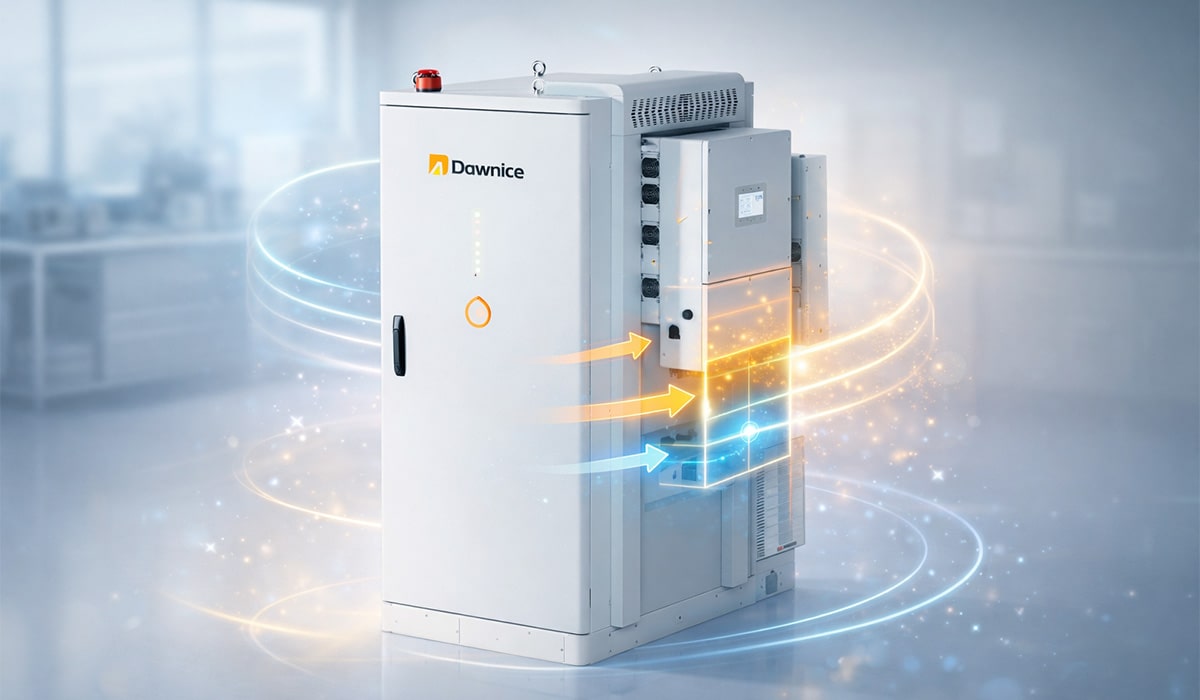
An energy storage lithium battery is built for stability, not speed. These batteries store electricity from solar panels, the grid, or generators, then release it slowly and safely over time.
Typical applications include:
Home solar energy storage
Commercial and industrial energy storage systems
Grid-scale lithium energy storage
Compared with EV batteries, energy storage batteries prioritize:
Long cycle life (6000+ cycles)
Thermal stability and safety
Continuous, low-to-medium power output
This is why lithium iron phosphate (LFP) chemistry dominates the energy storage market.
Key Differences in Design and Performance
Although both are lithium-ion batteries, their internal design is very different.
Electric vehicle batteries focus on:
High energy density
Lightweight automotive battery cells
Fast charging capability
Energy storage lithium batteries focus on:
Long-term reliability
Deep discharge capability
Safe stationary operation
This difference explains why you should not simply use an EV battery as a solar storage battery, even though both are lithium-ion based.
Safety, Lifespan, and Cost Comparison
Safety is another major distinction. Energy storage systems often operate indoors or near homes, so safety margins are higher. That’s why LFP batteries—known for thermal stability—are widely used in storage.
EV lithium batteries may use higher-energy chemistries to reduce vehicle weight, but this usually comes with:
Higher cost per kWh
Shorter cycle life compared to storage batteries
For users asking “lithium ion vs lead acid car battery”, lithium wins in lifespan and efficiency—but application still matters.
Can One Battery Replace the Other
A common question is: “Can I put a lithium battery in my car?” or “Can EV batteries be used for energy storage?”
Technically, yes—but practically, no.
EV batteries are over-engineered and expensive for stationary storage. Energy storage lithium batteries lack the high power output required for vehicle acceleration. Each battery is optimized for its job, and using the wrong one leads to poor performance or safety risks.
How to Choose the Right Lithium Battery
If your goal is:
Driving → choose an electric vehicle lithium-ion battery
Storing energy → choose a lithium-ion energy storage battery
Understanding this difference helps buyers avoid costly mistakes and choose the right system for solar storage, EVs, or backup power.
Final Thoughts: Same Technology, Different Missions
Energy storage lithium batteries and electric vehicle lithium batteries may share similar names, but they serve completely different missions. One moves vehicles. The other powers homes, businesses, and grids.
Knowing the difference is the first step toward smarter energy decisions in the age of electrification.

How Can We Help?
Contact