





The Hidden Power Inside Batteries: How Energy Is Stored and Released
Understanding Stored Energy in Batteries
When we talk about stored energy, a battery is one of the most common examples in daily life. From phones to solar energy systems, batteries play a crucial role in modern electricity storage. But how batteries store energy is often misunderstood. Many people assume batteries “hold electricity,” but in reality, the energy stored in a battery exists in a different form long before it becomes usable power.
What Type of Energy Is Stored in a Battery?
So, what type of energy is stored in batteries? The answer is chemical energy, which is also a form of potential energy. This energy is stored in the chemical bonds of materials inside the battery. When the battery is not in use, this chemical energy remains stable, waiting to be converted into electrical energy when needed.
Chemical Energy and Potential Energy Explained Simply
Chemical energy inside a battery is considered potential energy because it has the potential to do work. The energy is locked within the battery’s internal structure until a circuit is completed. This is why the form of energy stored in batteries is not electricity itself, but chemical potential energy created through carefully designed materials and reactions.
How Does a Battery Store Energy Internally?
To understand how does a battery store energy, we need to look inside. A typical battery contains two electrodes (an anode and a cathode) and an electrolyte between them. During charging, chemical reactions inside a battery push energy into the system, rearranging atoms and storing energy within chemical bonds. This is the true mechanism of battery energy storage.
Chemical Reactions Inside a Battery
The energy stored in batteries depends entirely on chemical reactions. When a battery discharges, these reactions reverse, releasing energy. Electrons flow from the anode to the cathode through an external circuit, creating usable electricity. This controlled reaction is what makes batteries safe, reliable, and reusable across thousands of cycles.
Energy Transformation of a Battery
One of the most important concepts is the energy transformation of a battery. During discharge, chemical energy transforms into electrical energy. During charging, electrical energy is transformed back into chemical energy. This reversible process is what allows rechargeable batteries to support long-term electricity storage for homes, vehicles, and grid systems.
How Batteries Store Energy for Electricity Storage
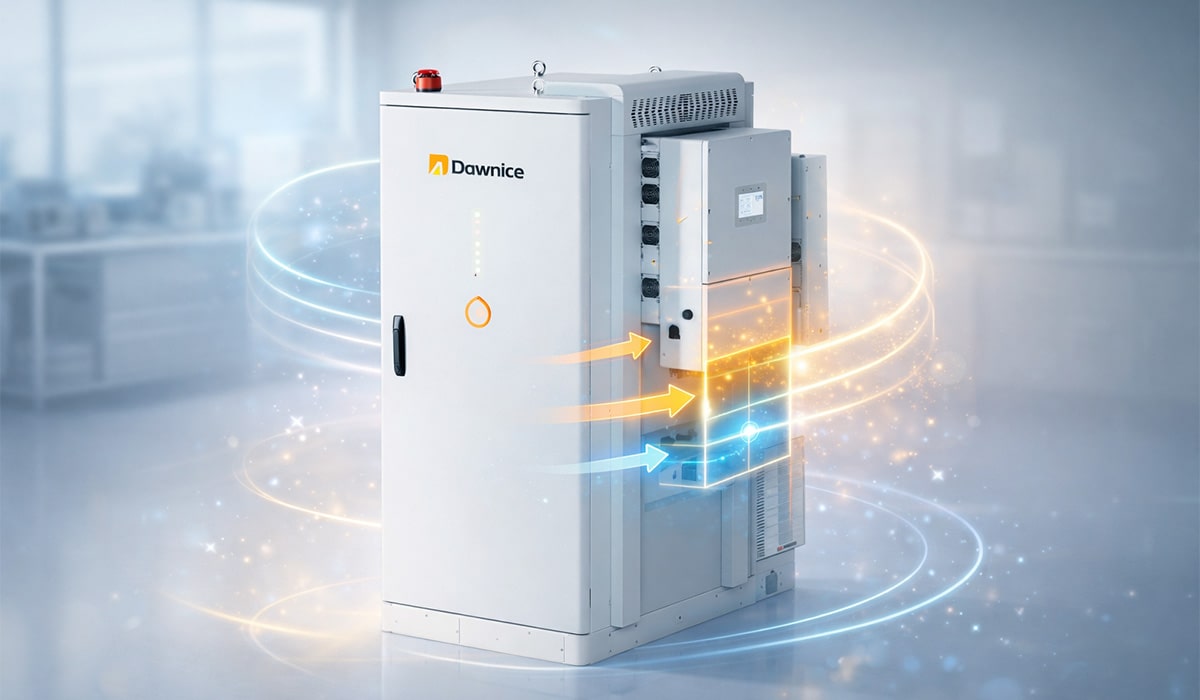
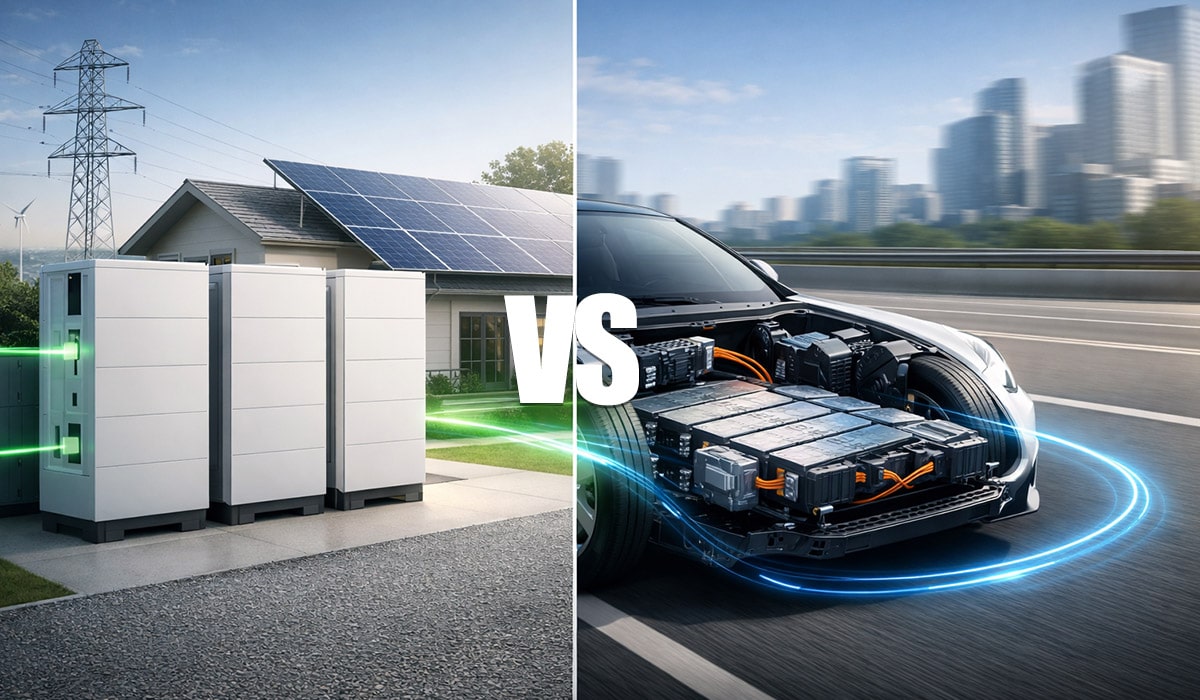
In large-scale battery energy storage systems, the same principles apply. Whether it’s a small household battery or a commercial energy storage system, energy stored in a battery always originates as chemical energy. The difference lies in scale, materials, and efficiency, not in the fundamental science.
Why Batteries Don’t “Store Electricity” Directly
A common myth is that batteries store electricity. In reality, electricity storage in batteries is indirect. What’s stored is chemical energy, which later becomes electricity. Understanding this distinction helps explain why batteries degrade over time and why temperature, materials, and design matter so much.
Energy Stored in Batteries and Real-World Applications
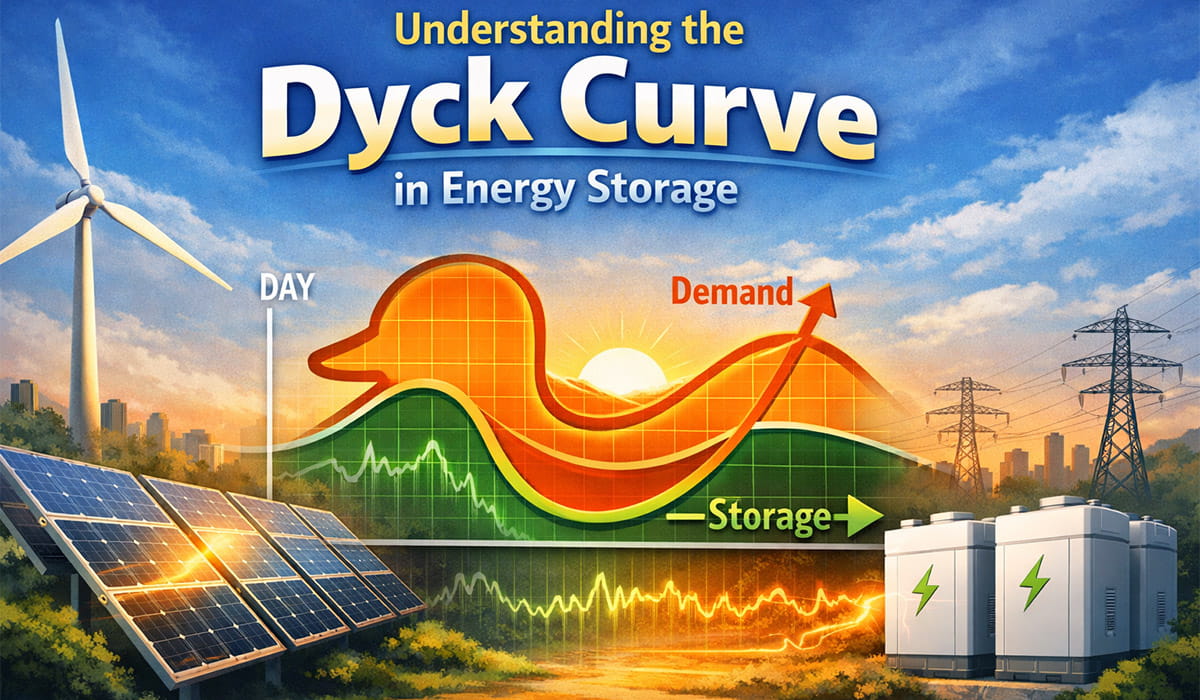
The energy stored in batteries powers everything from smartphones to renewable energy systems. In solar installations, batteries capture excess energy during the day and release it at night. This makes energy storage essential for stabilizing power supply and reducing reliance on fossil fuels.
Why Chemical Energy Makes Batteries So Powerful
Chemical energy offers high energy density, meaning a large amount of energy can be stored in a compact space. This is why batteries remain the most practical solution for portable power and grid-scale energy storage. The ability to store energy safely and release it on demand is what makes batteries such a powerful technology.
Final Thoughts on How Energy Is Stored in Batteries
In summary, how is energy stored in batteries comes down to chemistry. Batteries store energy as chemical potential energy through internal reactions, not as electricity itself. When needed, this energy is transformed into electrical power through controlled chemical processes, making batteries one of the most efficient and versatile energy storage solutions available today.
-
-
-
-
 2026-04-02
 -

How Can We Help?
Contact