



Why Energy Density Matters in Modern Battery Technology
What Is Energy Density and Why It Matters
Energy density refers to how much energy a battery can store relative to its weight or volume. In most real-world discussions, this is measured as watt-hour per kilogram (Wh/kg), also written as watt hour per kg or wh kg. The higher the energy density, the more power a battery can deliver without becoming heavier or larger.
In practical terms, energy density determines how long a battery can run a system before needing to recharge. Whether it’s a home energy storage system, an electric vehicle, or an industrial backup solution, energy density directly affects efficiency, usability, and overall cost performance. This is why battery energy density has become one of the most important technical indicators in modern energy storage.
Understanding Battery Energy Content
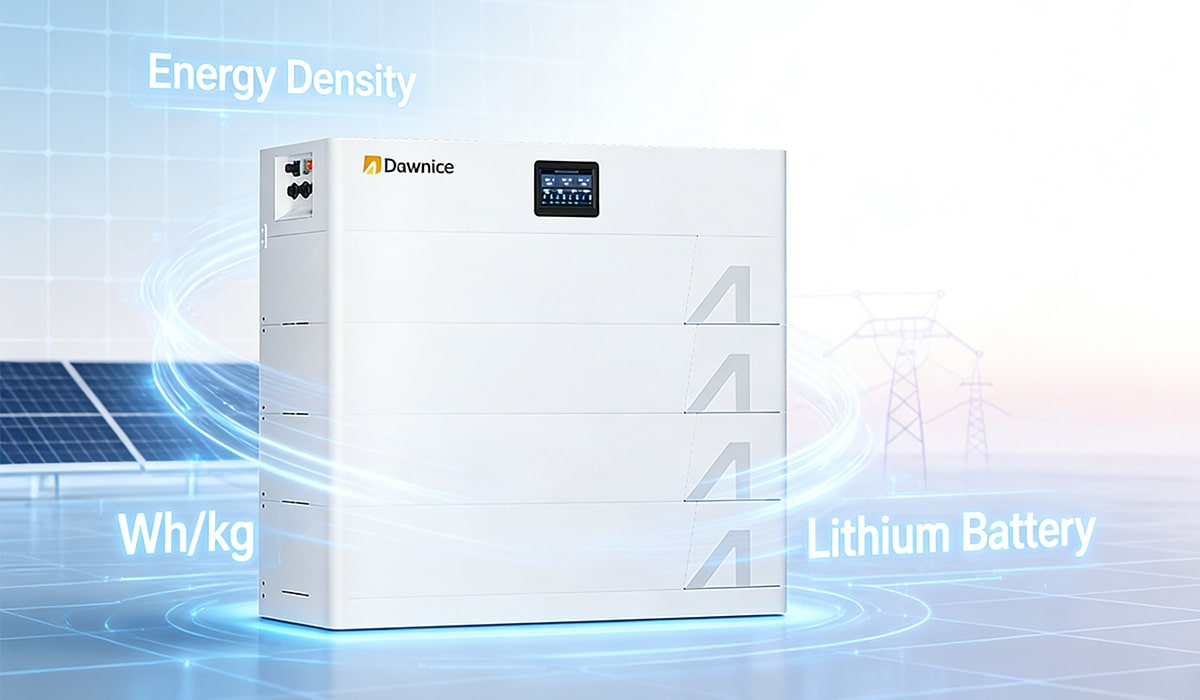
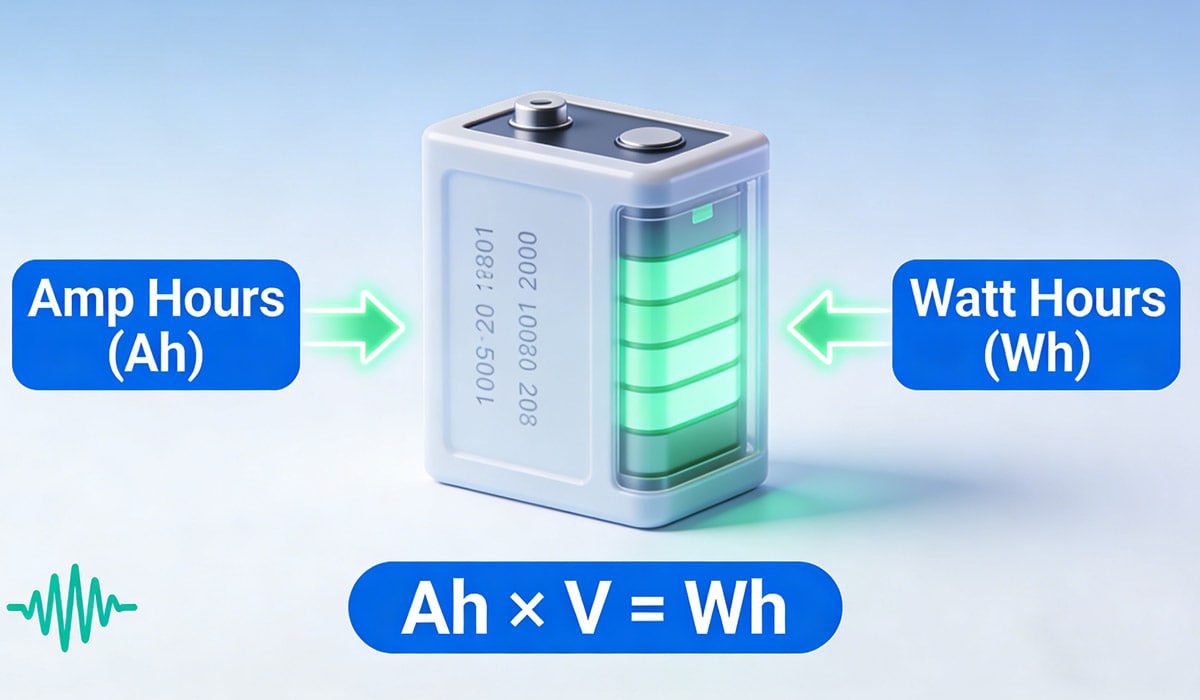
Battery energy content refers to the total amount of usable energy stored inside a battery. While capacity (measured in kWh) tells you how much total energy is available, energy density explains how efficiently that energy is packed.
For example, two batteries may both store 10 kWh, but the one with higher density of energy will be smaller, lighter, and easier to install. This is especially important in applications with limited space, such as residential solar systems or mobile energy solutions.
High energy density also means fewer materials are required to achieve the same output, which helps reduce system cost and installation complexity over time.
Why Lithium Batteries Lead in Energy Density
Among all commercial battery technologies, lithium-based systems stand out for their high energy density. The energy density of lithium batteries is significantly higher than that of traditional lead-acid or nickel-based batteries.
Modern lithium battery energy density typically ranges from 150 to over 260 Wh/kg, depending on chemistry and design. This is why lithium solutions dominate in applications where performance and compact size matter.
When people talk about li ion battery energy density or lithium ion energy density, they are usually referring to this advantage: more energy stored in less space, with lower weight and higher efficiency.
How Lithium-Ion Energy Density Impacts Real Applications
The energy density of lithium ion battery systems directly affects how they are used in real life. In home energy storage, higher density allows homeowners to install powerful systems without sacrificing space. In commercial and industrial settings, it reduces transportation and installation costs.
A higher lithium ion battery energy density also improves scalability. Systems can be expanded without dramatically increasing footprint or structural load, making them ideal for growing energy demands.
Additionally, higher energy density supports longer backup times during power outages, making energy storage systems more reliable and practical.
Energy Density vs Safety and Lifespan
While high energy density is desirable, it must be balanced with safety and longevity. Modern lithium batteries are designed with advanced battery management systems (BMS) to control temperature, voltage, and current flow.
Thanks to these innovations, today’s lithium energy density improvements no longer come at the expense of safety. Instead, they offer a balance of performance, stability, and long cycle life—key factors for both residential and commercial users.
Why Energy Density Will Matter Even More in the Future
As renewable energy adoption accelerates, energy storage systems must become more compact, efficient, and powerful. This makes energy density of lithium ion technology a core focus of innovation.
From solar energy storage to microgrids and backup power systems, batteries with higher energy density will continue to define what is possible. Understanding how battery energy density works helps buyers make informed decisions and choose systems that deliver long-term value.
In short, energy density is not just a technical specification—it is a key indicator of performance, reliability, and future readiness in modern energy storage solutions.



How Can We Help?
Contact